
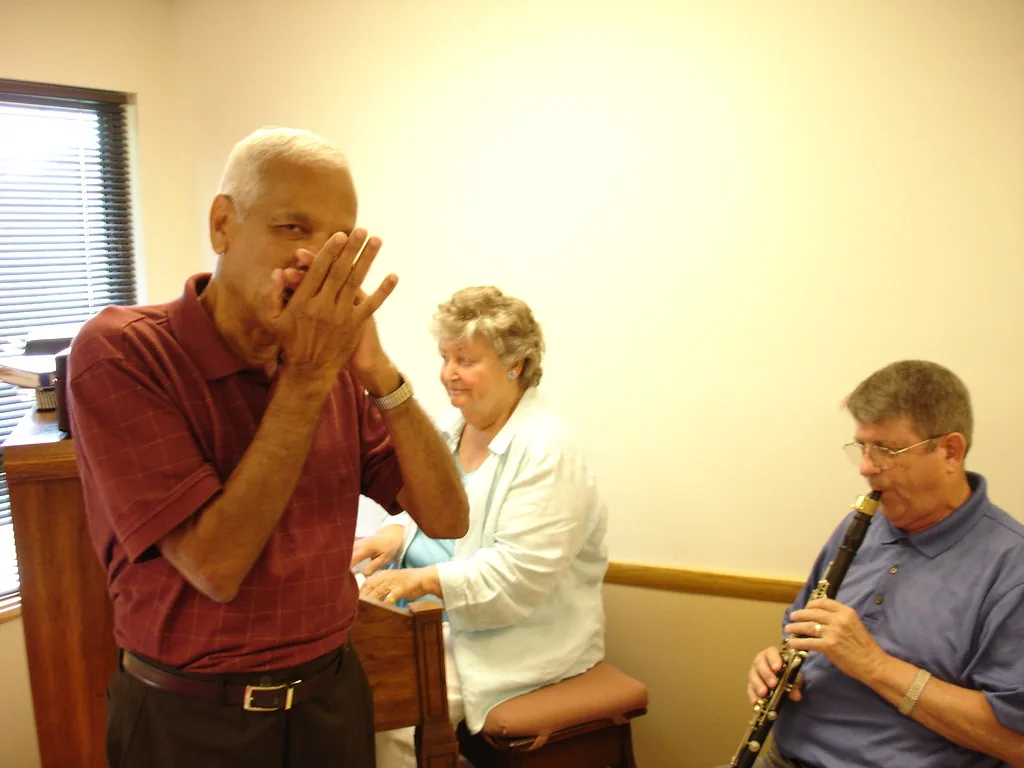
The theme music from the spaghetti Western “Once Upon a Time in the West” is an exciting challenge for harmonica players. Although the instrument does not appear in the original version, adapting the piece offers a unique experience.
On the Tablatures-Harmonica.fr site, discussions among enthusiasts such as Hervé, Benoît and Claude demonstrate their passion for this piece. Called BBT by forum members, it embodies the epic spirit of cinema.
This tutorial guides you through capturing the film’s atmosphere using techniques specific to the instrument. Ready to take on the challenge?
Introduction: an iconic theme with technical challenges
Adapting this iconic melody brings a few technical surprises. Composed by Ennio Morricone for “Once Upon a Time in the West”, it did not originally feature a harmonica. Nevertheless, musicians have embraced it for its dramatic intensity.
There are two major obstacles: the rapid sequence of draw notes (A-D-A-D) and the chromatic descent. These passages require precise breath and finger control.
Benoît, an experienced member of the Tablatures-Harmonica.fr forum, explains:
“Extracting the melody from the orchestral version is an uphill battle. The key of D minor makes it easier to play, but it remains demanding.”
| Version | Instrumentation | Difficulty |
|---|---|---|
| Original (1966) | Electric guitar | Syncopated rhythm |
| Danish symphonic version | Full orchestra | Harmonic complexity |
The choice of D minor is no accident. This key makes it possible to play the essential notes without excessive difficulty. It is a detail that makes all the difference for beginners.
Preparation: the harmonica and essential foundations
Success with this piece rests on two pillars: the instrument and technique. Without these foundations, even the simplest melodies become challenging.

Choosing the right harmonica
Benoît, an experienced member of the Tablatures-Harmonica.fr forum, recommends a 10-hole diatonic model in D minor. This key makes bends easier and helps prevent wrong notes.
Here is a comparison of popular options:
| Model | Key | Advantage |
|---|---|---|
| Hohner Special 20 | D minor | Durable reeds |
| Suzuki Blues Master | D minor | Accurate notes |
Learning the basic techniques
Claude, another regular on the site, emphasizes two skills:
- Draw bends: master holes 2 and 3 for the semitones.
- Breath control: prevent whistling with a tight embouchure.
To practise, download the preparatory tabs from the forum. They isolate difficult passages such as the chromatic descent.
“B is a tricky note. Practise it slowly before speeding up.”
Playing “The Good, the Bad and the Ugly” on harmonica: key steps
Capturing the essence of this legendary piece requires a methodical approach. Three technical elements turn this melody into a true instrumental feat.
Reading the tab: opening notes (A-D-A-D)
The opening sequence symbolizes the characters’ confrontation. Here is how to master it:
- Draw hole 4 for A (right hand in the standard position)
- Blow hole 2 for D, with a slight flexing of the lips
Claude explains: “A common mistake is to force the breath. Let the reed vibrate naturally.”
Mastering the rapid “descent”
This chromatic passage illustrates the film’s tension. Here is a three-step technique:
- Start slowly with a metronome set to 60 BPM
- Alternate tongue attacks and glissandos
- Gradually add breath-driven wah-wah effects
“Listen to the Danish symphonic version to grasp the dynamic nuances.”
Managing changes in rhythm
The piece alternates between slow phrases and rapid bursts. Here is an effective exercise:
| Section | Technique | Tip |
|---|---|---|
| Introduction | Staccato | Relaxed wrist |
| Chorus | Legato | Diaphragmatic breathing |
The difficulty lies in the transitions. Practise in four-bar segments before linking them together.
Tips for overcoming difficulties
Overcoming the technical challenges of this piece requires precise methods. Here are techniques tested by members of the Tablatures-Harmonica.fr forum.

Exercises for rapid draw notes
The site’s seven-day program isolates the difficult passages:
- Days 1 to 3: practise the A-D notes repeatedly for 10 minutes per session.
- Days 4 to 7: add the chromatic descent at 60 BPM, then increase the speed.
Benoît advises: “Use Band-in-a-Box to generate customizable accompaniments.”
Practising with a metronome
Gradually increase it from 60 to 120 BPM. A tip from the forum:
- Start slowly to control every breath.
- Increase the tempo by 5 BPM after every successful attempt.
Resources: instrumental versions for practice
Download the tracks from the site to isolate the melody. The exclusive video tutorial explains overdubbing.
“Listen to the orchestral version to lock in your rhythm.”
Conclusion: patience for an epic result
Mastering this iconic piece takes time. From simple notes to advanced techniques, every step matters. Share your progress on the forum to receive personalized advice.
The discussions among Hervé, Benoît and Claude show how the BBT project has evolved. Their passion inspires them to take on new challenges. Other Western themes may follow.
Persevere like the legendary characters. With practice, you will capture the spirit of the piece. Find more resources on our site.
The harmonica transforms this music into a unique experience. Now it is your turn to play!