
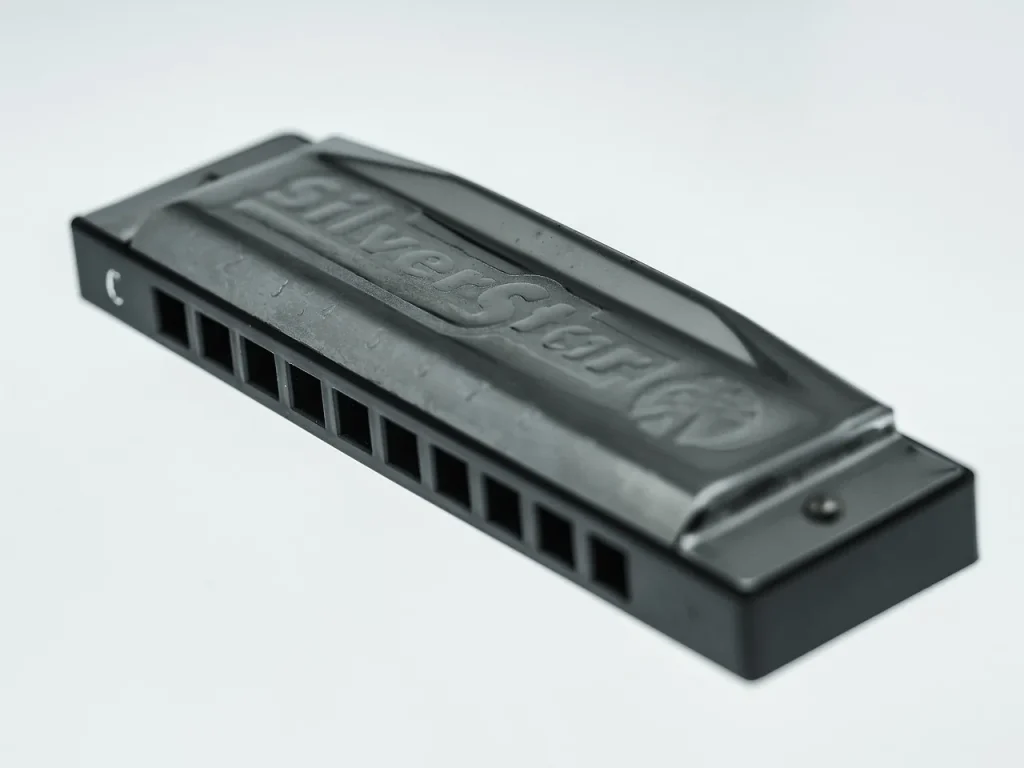
Taking care of your instrument is essential to ensure a beautiful tone and a long service life. A well-maintained harmonica delivers optimal performance and avoids common problems.
Saliva, dust, and food residue can impair sound quality. These substances clog the reeds and affect playability. Regular cleaning prevents these issues.
Depending on use, there are two methods: partial cleaning after each session and thorough monthly maintenance. The choice also depends on the materials (wood, plastic, or metal).
Neglecting this routine may damage the instrument. Oxidation, jammed reeds, and deteriorated parts are common. Adopting good practices protects your harmonica.
Why regular cleaning is essential
Accumulated residue impairs the instrument’s performance and service life. A clear tone depends directly on the condition of its internal components.
The effects of saliva and residue
Saliva gradually creates a sticky deposit inside the channels. This particularly affects:
- Metal plates, which are vulnerable to acidity
- The freedom of movement of the reeds
- The airtightness of wooden combs
“A Marine Band left damp develops mold within 72 hours.”
Consequences of poor maintenance
Persistent moisture causes wood to swell. The reeds then become progressively jammed.
In extreme cases:
- Permanent deformation of the chambers
- Reduced fullness of the notes
- Health risks (staphylococcal bacteria)
Dried saliva forms an abrasive layer. It prematurely wears down moving parts.
Diatonic harmonica maintenance: cleaning basics
Good maintenance begins with suitable tools and a sound routine. Here is how to keep your instrument in perfect condition without excessive effort.
Essential equipment
For the best results, gather these accessories:
- Cotton swabs: ideal for narrow recesses
- Soft-bristled toothbrush: removes residue without scratching
- Microfiber cloth: for streak-free drying

Adjusting the frequency
The recommended frequency depends on use:
For beginners: wipe it weekly with a cloth slightly dampened with lukewarm water. Frequent players should opt for a thorough monthly cleaning.
“A well-maintained diatonic harmonica can last ten years longer than a neglected instrument.”
Remember to record the dates on a calendar. This tip helps prevent oversights, especially for occasional musicians. Discover more advice in our guide to the diatonic harmonica.
Partial cleaning without disassembly
Knowing how to clean an instrument without taking it apart is essential for every musician. This quick method prevents residue buildup while protecting sensitive parts.
Cotton-swab and lukewarm-water technique
A cotton swab slightly dampened with lukewarm water is enough for recesses. Avoid rubbing the reeds directly. Dab gently to remove dried saliva.
- Limit moisture to prevent swelling.
- Use a microfiber cloth to dry it immediately.
Removing saliva after playing
Gently tap the instrument against your palm with the holes facing downward. This dislodges particles before they harden.
“A light burst of steam once a month removes deep-seated deposits without risk.” — Jean L., user for 8 years
| Method | Benefits | Precautions |
|---|---|---|
| Angled drying | Prevents lukewarm water from accumulating | Keep away from heat sources |
| Natural ventilation | Protects the metal covers | Do not expose directly to sunlight |
Warning: alcohol wipes damage varnished finishes. Choose gentle solutions for lasting maintenance.
Thorough cleaning with disassembly
Some problems can only be resolved by accessing the instrument’s internal components. This method ensures impeccable results, especially for models such as the Hohner Special 20.

Safely removing the covers
Use a Phillips-head screwdriver to remove the screws from the covers. Arrange the parts in a precise order to make reassembly easier. A visual guide can help prevent mistakes.
Cleaning the plates and reeds
The metal plates and reeds require special attention:
- Clean the chambers with an interdental brush.
- A bath in 60–90% alcohol disinfects without causing damage.
“Gently polishing the covers restores their shine without scratching the metal.”
Precise reassembly
Check the alignment of the plates before tightening the screws. Pay attention to spring tension to maintain the responsiveness of the reeds.
For a Hohner Marine Band Deluxe, follow the steps specified by the manufacturer carefully.
Cleaning techniques for different materials
Each material requires a specific approach to preserve its acoustic qualities. Combs made of wood, plastic, or metal affect the maintenance method.
Maintaining wooden combs
Models such as the Marine Band require special attention. Wood swells with moisture and cracks if dried improperly.
- Use a toothpick to remove residue from the grooves.
- Apply a mixture of Marseille soap and beeswax to protect the comb.
“A smooth-bladed knife can gently scrape off deposits without scratching.” — Seydel expert
Cleaning plastic combs
Modern composites (Hohner Crossover) resist water better. Their plastic does not warp.
A damp cloth is enough for light dirt. For thorough cleaning:
- Brush the chambers with a soft brush.
- Avoid abrasive products that dull the surface.
Caring for metal models
Stainless-steel covers require antioxidant treatment. A microfiber cloth removes fingerprints.
What to avoid:
- Do not use Cillit Bang on brass—it may cause corrosion.
- Keep powerful magnets away to prevent demagnetization.
| Material | Recommended method | Estimated service life |
|---|---|---|
| Wood | Soap + wax, slow drying | 5–7 years |
| Plastic | Monthly damp cleaning | 10+ years |
| Metal | Gentle polishing, 60% alcohol | 15+ years |
Disinfecting the harmonica
Eliminating germs and bacteria is crucial for optimal hygiene. Regular disinfection protects both sound quality and the musician’s health.

60–90% alcohol: an effective solution
Alcohol is ideal for removing stubborn residue. Use a 70% mixture to prevent oxidation of metal parts.
- Recommended proportions: 3 parts water to 7 parts alcohol
- Limit soaking to 5 minutes for chromatic models
- Rinse immediately with distilled water
“A monthly alcohol bath reduces the risk of bacterial contamination by 80%.”
White vinegar: a natural alternative
White vinegar dissolves mineral deposits without damaging materials. Its mild acidity is suitable for delicate instruments.
Homemade recipe:
- 1/3 white vinegar to 2/3 lukewarm water
- Add one teaspoon of baking soda
- Soak for no more than 10 minutes
| Method | Benefits | Precautions |
|---|---|---|
| Alcohol | Deep disinfection | Avoid rubber seals |
| Vinegar | Eco-friendly and economical | Rinse thoroughly |
Warning: isopropyl alcohol degrades plastics. Choose ethanol for safe disinfection.
Specialized cleaning methods
Discover professional techniques for preserving the quality of your instrument. These approaches target stubborn residue and optimize component longevity.

Ultrasonic bath: benefits and limitations
An ultrasonic bath removes deposits embedded in the plates and reeds. Ideal for recent models, it uses high-frequency waves.
Benefits:
- Deep cleaning without physical contact
- Removal of bacteria and mold
- Average cost: €50–100 for a professional device
Limitations:
- Risk of damage to vintage harmonicas
- Requires a homemade cleaning solution (distilled water + 70% alcohol)
Special-purpose products (Steradent)
Steradent tablets, designed for dental appliances, are suitable for wind instruments. Their effervescent action loosens residue without abrasion.
Jason Ricci’s technique:
- Combine gentle brushing with soaking in a Steradent solution
- Maximum duration: 10 minutes
- Rinsing with lukewarm water is mandatory
| Method | Effectiveness | Cost |
|---|---|---|
| Ultrasonic bath | ★★★★★ | High |
| Steradent products | ★★★★☆ | Affordable |
| Traditional cleaning | ★★★☆☆ | Low |
“Ultrasonic cleaning is excellent for modern models, but avoid it for Marine Bands from the 1960s.” — Hohner expert
Mistakes you must avoid
Certain habits can damage your instrument without you realizing it. Unsuitable products and harsh techniques significantly shorten its service life.
Overly aggressive products (Cillit Bang)
Household detergents such as Cillit Bang must be avoided. Their formula attacks brass and varnished finishes.
Here are the worst offenders:
- Glass cleaners (ammonia)
- Industrial degreasers (pH too high)
- White-spirit-type solvents
“A Marine Band treated with WD-40 required €120 in repairs.” — Atelier Résonance, Paris
Poor drying techniques
Rapid drying with a hair dryer warps parts. Excessive heat dries out the wood and loosens the springs.
Methods to avoid:
- Direct exposure to sunlight
- Abrasive cloths (use microfiber only)
- Compressing damp reeds
| Mistake | Consequence | Solution |
|---|---|---|
| Abrasive products | Irreversible scratches | Mild soap + lukewarm water |
| Harsh drying | Cracked wood | Ambient air for 24 hours |
| Deep cleaning too frequently | Premature wear | No more than once a month |
Always test new products on a hidden area. This precaution prevents unpleasant surprises.
Easy daily maintenance
Adopting a simple routine extends your instrument’s life. Quick steps after each use make all the difference.
Good habits after every use
A three-step method prevents residue buildup:
- Shake gently to remove particles
- Tap against your palm with the holes facing downward
- Wipe with a dry microfiber cloth
This routine takes less than a minute. It prevents saliva from hardening inside the channels.
“I always keep a cloth in my case. It became second nature after 15 years of playing.” — Marc T., traveling musician
Optimal storage
Your choice of container affects reed longevity. Choose:
- Cases with side ventilation
- Airtight boxes with a silica-gel packet
- A stable temperature between 15°C and 25°C
Recommended rotation: alternate between several instruments to reduce wear. This habit doubles their service life.
| Storage type | Benefits | Drawbacks |
|---|---|---|
| Hard case | Maximum protection | Poor ventilation |
| Fabric pouch | Breathable | Risk of crushing |
| Airtight box | Humidity control | Bulky |
Avoid damp places such as bathrooms. Temperature fluctuations warp sensitive parts.
Special cases and solutions
Some situations require a specific approach to protect your instrument. Here is how to resolve the most common problems.
Dealing with rust
Rust often appears on metal reeds. It impairs sound quality and can prevent notes from sounding.
Effective solutions:
- Gentle filing with fine emery cloth (600 grit)
- Applying silicone oil to chromatic models
- Emergency procedure for instruments exposed to salt water
“A slightly oxidized reed can regain its flexibility through careful polishing.”
Sticky-reed problems
A sticky reed produces a muffled sound. This problem often occurs after prolonged storage.
Revival methods:
- Soaking in diluted honey (1:3 with lukewarm water)
- Gentle manual vibration to free the reed
- Special reed oil (no more than 3 drops)
| Type of problem | Quick solution | Prevention |
|---|---|---|
| Light rust | Polish with white vinegar | Store with silica gel |
| Sticky reed | Controlled tapping | Regular playing |
| Accidental flooding | Air-dry for 48 hours | Waterproof case |
In extreme cases, a bath in 70% alcohol may save a flooded instrument. Let it dry flat for a week.
When to call a professional
Some malfunctions go beyond routine maintenance. Your instrument may have problems requiring a professional’s expertise.
Signs that expert assistance is needed
Several symptoms indicate the need for professional repair:
- Persistent squeaking despite cleaning
- Silent notes across several consecutive holes
- Visible deformation of the reeds
For high-end harmonicas, a cost-benefit analysis is necessary. Replacing parts may be more economical than buying a new instrument.
Repair or replacement
Here are the criteria for making your decision:
| Model | Average repair cost | New price | Additional service life |
|---|---|---|---|
| Hohner Special 20 | €40–60 | €55 | 2–3 years |
| Seydel 1847 Silver | €90–120 | €180 | 5+ years |
| Lee Oskar Major Diatonic | €50–70 | €65 | 1–2 years |
Authorized workshops in France:
- Harmonica Repair Shop (Paris)
- Atelier Résonance (Lyon)
- Brass & Wood (Marseille)
“My Seydel 1847 Silver had three jammed reeds. The professional saved it for €80 instead of the €180 cost of a new instrument.” — Pierre D., user for 12 years
Beware of false economies: DIY repair attempts often make the damage worse. A professional has the specialized tools and expertise.
Conclusion
An instrument’s service life depends on small, regular actions. A simple routine prevents major problems and helps maintain a clear sound.
Adapt your cleaning to how often you play. A dry cloth after every session and thorough monthly maintenance are enough. This also reduces waste.
Share your tips with other musicians. Every experience enriches the community’s knowledge.
Invest in a quality kit. This choice dramatically extends the effectiveness of your maintenance.