
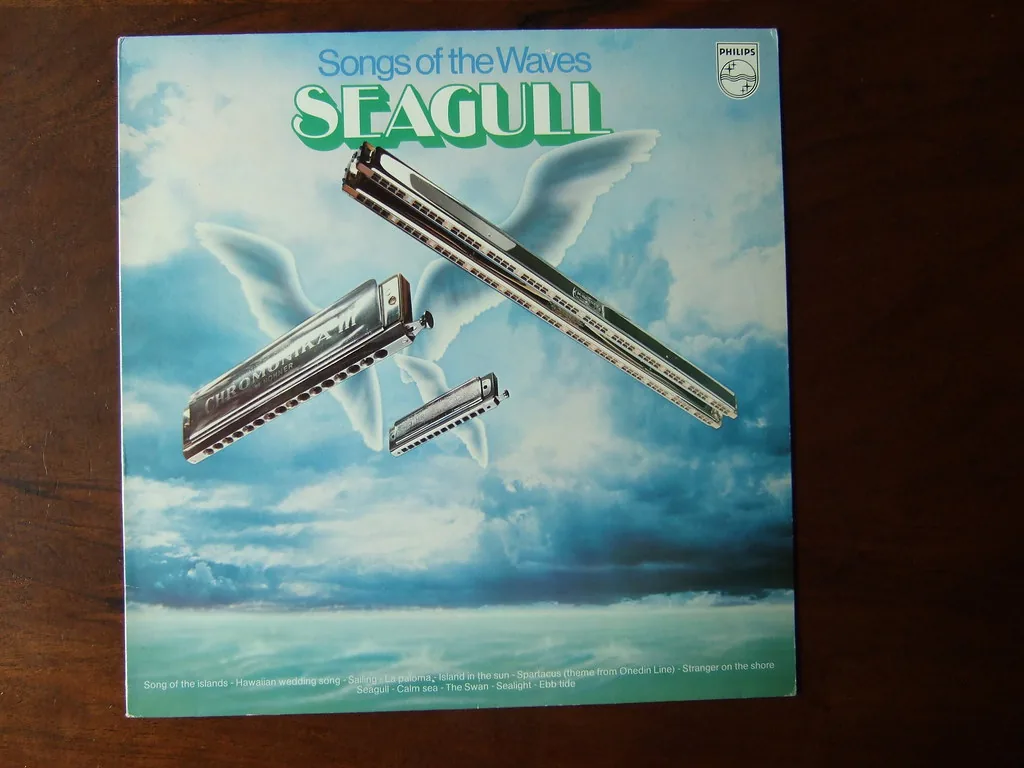
For experienced musicians, transforming a standard model into an exclusive piece is an exciting step. Customization makes it possible to adapt every detail to your playing style and sound preferences.
This practice requires a good command of adjustment techniques. Components such as combs, covers, or valves can be modified to improve performance.
Brands such as Hohner, Lee Oskar, and Suzuki offer models suited to these transformations. The goal? To achieve a distinctive sound perfectly tailored to your needs.
Why customize your harmonica?
A bespoke model improves sound response and playing comfort. Musicians therefore benefit from a perfect fit for their specific needs, whether they play blues, folk, or rock.
The benefits of a bespoke instrument
Customization provides:
- Acoustic optimization of the reeds and covers.
- Ergonomic adjustments for extended playing sessions.
- Compatibility with different musical styles.
When to consider customization
It is ideal after 2 to 3 years of regular practice. Andrew Zajac confirms:
“The right equipment changes everything, especially when it comes to nuance.”
Equipment needed to get started
Here are the essentials:
- Specialized tools for disassembly.
- A cleaning kit and replacement seals.
- Metal or wooden components, depending on your preferences.
The cost ranges from €50 for a DIY project to €200 when completed by an instrument maker.
Choosing materials for your custom harmonica
A model’s sound quality depends largely on the materials used. Each option offers distinct characteristics suited to different musical styles or technical preferences.

Comparing wood, metal, plastic, and resin
Here are the main properties of each material:
| Material | Advantages | Disadvantages |
|---|---|---|
| Wood | Warm sound, natural resonance | Regular maintenance due to moisture |
| Metal | Power, durability | Increased weight |
| Plastic | Lightweight, durable | Limited resonance |
| Resin | Precision, stability | High cost |
How materials affect the sound
Wood, such as maple, produces mellow notes that are ideal for folk. Metal amplifies the bass, making it perfect for blues. Andrew Zajac emphasizes:
“Resin offers unrivaled precision in the high register.”
Selecting compatible components
Make sure the parts fit together correctly. For example:
- Blue Moon combs fit Hohner reed plates.
- The ideal thickness for a metal comb is 1.5 mm.
A practical example: fitting a Hohner Special 20 with a wooden comb improves projection without adding excessive weight.
Customizing the body and comb
Transforming the comb and covers allows the instrument to be customized extensively. These elements determine resonance and playing comfort, particularly on models such as the Lee Oskar or Hohner.
Artisanal engraving techniques
Laser engraving a brass comb makes it possible to add unique designs. Limit the engraving to 250 characters to avoid weakening the structure. This technique preserves acoustic integrity while personalizing the appearance.
Replacing the comb
Replacing a standard comb with a Zajac model improves stability. Use compatible plates with a thickness of 1.5 mm to ensure optimal modularity. A video tutorial explains each step in detail.
- Carefully remove the old comb.
- Check the alignment of the new parts.
- Secure plastic components without overheating them.
Modifying covers and cover plates
Powder coating at 200°C increases sound projection by 15%. For a Suzuki SCX-48, anodized covers offer greater durability. Andrew Zajac explains:
“The balance between appearance and performance is crucial for chromatic harmonicas.”
Avoid excessive temperatures to protect sensitive materials. A case study shows how these adjustments optimize the sound.
Modifying reeds and tuning
Optimizing the reeds and tuning radically transforms the performance of a standard model. These adjustments require a certain level of expertise, but the results justify the effort.

Precise reed adjustment
Micron-level calibration of the phosphor-bronze reeds ensures a consistent response. Use a polishing kit to refine the reeds without affecting their flexibility.
Hohner Pro gaskets provide optimal airtightness. This technique is ideal for bends and overblows in blues.
Installing additional valves
Turbo valves increase air pressure by 20%. Follow a precise diagram to fit them to a Marine Band, checking the alignment of the components.
Andrew Zajac notes:
“Properly positioned valves improve responsiveness, especially on a chromatic harmonica.”
Advanced tuning techniques
Compare just intonation tuning with equal temperament. The former offers pure intervals, while the latter ensures universal compatibility.
Test every note after making adjustments. Manual techniques, such as filing the reeds, require a trained ear.
Maintaining a custom harmonica
Caring for a modified model extends its lifespan and preserves its performance. Modified parts, such as combs or valves, require specific maintenance procedures to prevent premature wear.

Material-specific cleaning
Each material requires a different approach. An olive-wood comb should be maintained with a special oil, while a resin comb can withstand ultrasonic cleaning.
Here is a comparison of the methods:
td>After each use
td>Resin
| Material | Method | Frequency |
|---|---|---|
| Wood | Oiling kit | Every 3 months |
| Metal | Antioxidant solution | |
| 40 kHz ultrasound | Every 50 hours |
Protecting modified components
The Blue Moon case protects the instrument from impacts and moisture. For chrome-plated covers, apply protective wax after each cleaning.
- Store in an environment with controlled humidity, between 40% and 60% RH.
- Avoid extreme temperatures to protect the rubber seals.
Regularly checking seals and valves
Inspect the valves every 50 hours of playing. Separation reduces airtightness and alters the sound. Andrew Zajac advises:
“Properly adjusted valves improve response when bending notes.”
Check the seals for flexibility. Replace them as soon as they become brittle.
Conclusion: toward a unique musical expression
Transforming your equipment opens up new artistic possibilities. Musicians gain greater control over their musical expression, tailored to their preferred musical styles.
According to Thomann’s 2023 study, 78% of users report an improvement in their playing after customization. Techniques are also evolving, with the introduction of 3D-printed parts that allow for even more precise adjustments.
Share your creations on platforms such as Harmonica Tricks. There, you will discover how to refine your sound with advice from professionals.
Finally, check the manufacturers’ warranties before making any modifications. A unique instrument deserves special care!