
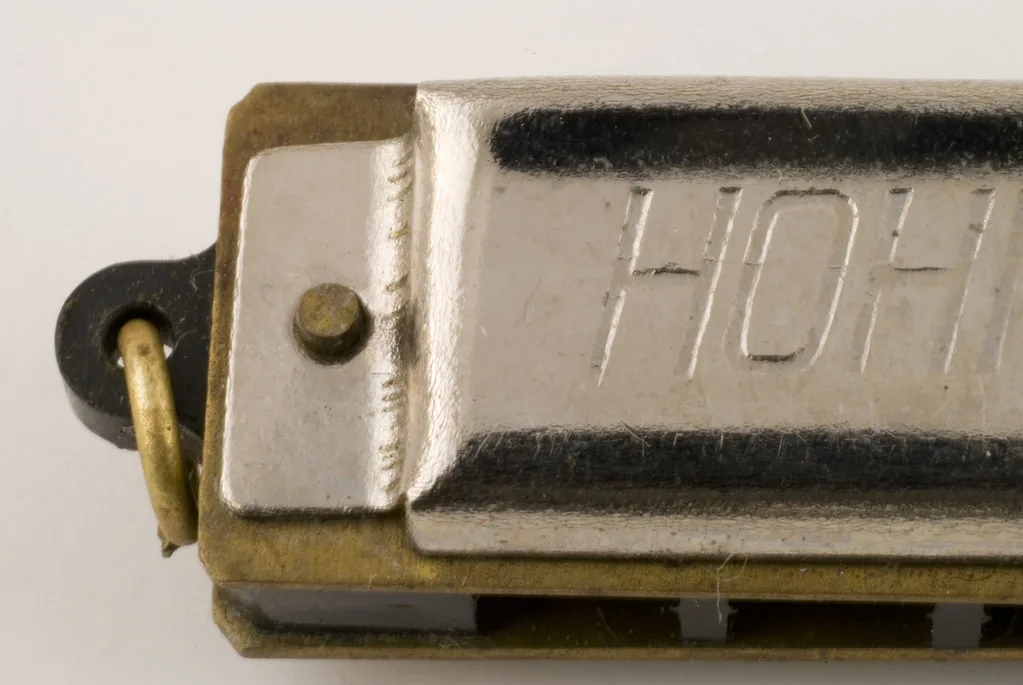
Discover how to play this classic French melody on a diatonic harmonica. Designed for beginners, this simplified version requires no knowledge of music theory.
The ideal instrument? A C harmonica, perfect for reproducing the gentle notes of this lullaby. In just a few steps, you will master the piece in under 30 minutes.
Find more than 100 free scores on harmonicatablatures.com. An intuitive method for making rapid progress.
Introduction to “Au clair de la lune” and the harmonica
This iconic melody has endured through the centuries with captivating simplicity. Its adaptation for the diatonic harmonica makes it an ideal choice for beginners, thanks to its accessible structure.
Origins and popularity of the melody
Originating in the 18th century during the reign of Louis XIV, this song embodies France’s musical heritage. It appears in the collections of Tablatures-Harmonica.fr, demonstrating its enduring popularity.
Its limited range and repetition make it similar to other traditional tunes such as À la claire fontaine. An analysis by Sébastien, an expert at harmonicatablatures.com, confirms its educational value.
Why choose the harmonica for this piece?
The C harmonica naturally suits the notes of this lullaby. Its compact design and limited range are perfect for beginners.
“This is the first melody I teach: it allows students to gently master blowing and drawing.”
Unlike with other instruments, no knowledge of music theory is required to play this simplified version.
Understanding harmonica tablature
Mastering the essential symbols paves the way for a smooth performance. This visual language, used on harmonicatablatures.com, allows you to play without reading music.

Basic symbols: blow, draw, and bends
Each notation corresponds to a specific action:
| Symbol | Action | Example |
|---|---|---|
| ↑ | Blow into the instrument | Hole 4 ↑ |
| ↓ | Draw air in | Hole 5 ↓ |
| ° | Semitone (bend) | 4° ↓ |
A study of learning methods confirms their effectiveness for beginners.
Example using the first notes
Apply these symbols to the first four measures:
- 4 ↑ 4 ↑ 4 ↑ 4 ↑: simple repetition
- 4 ↑ 4 ↑ 5 ↓ 4 ↑: alternating between blowing and drawing
Compared with À la claire fontaine, this piece uses fewer bends, making it ideal for practice.
“Shape your lips into a tight ‘O’ to prevent air leaks when drawing.”
Learn to play “Au clair de la lune” step by step
Sébastien, an experienced teacher, recommends progressing through three stages to master this melody. His method, tested with hundreds of students, delivers results in under a week.
Part 1: main melodic phrase
Start by isolating the first four measures:
- 4 ↑ 4 ↑ 4 ↑ 4 ↑: blow evenly into hole 4.
- 5 ↓ 5 ↓ 4 ↑ 4 ↑: alternate between drawing and blowing to create the lilting motion.
As in *À la claire fontaine*, the duple meter makes memorization easier. Practice for 15 minutes a day to make the movements automatic.
Part 2: repetitions and variations
The second section repeats the first with a slight modulation:
“Add a light bend (4° ↓) to the last note to enrich the phrasing.”
Draw inspiration from *À la claire fontaine* to vary the intensity of your airflow. This technique prevents monotony.
Exercises for mastering the rhythm
To improve fluency:
- Play measures 3 to 6 repeatedly with a metronome set to 60 BPM.
- Improvise rhythmic variations over the harmonic structure.
One effective exercise is to sing the melody while playing in order to synchronize your breathing and fingering.
Conclusion
Share your passion by exploring other melodies such as Frère Jacques or À la claire fontaine. These pieces perfectly complement your learning.
The tablature method makes music accessible without requiring music-reading skills. To go further, discover our French-language video tutorials on harmonicatablatures.com.
Join dedicated forums to share your progress. Together, let’s enrich this musical heritage.
Support Tablatures-Harmonica.fr by disabling your ad blocker. This helps keep these resources free for everyone.