
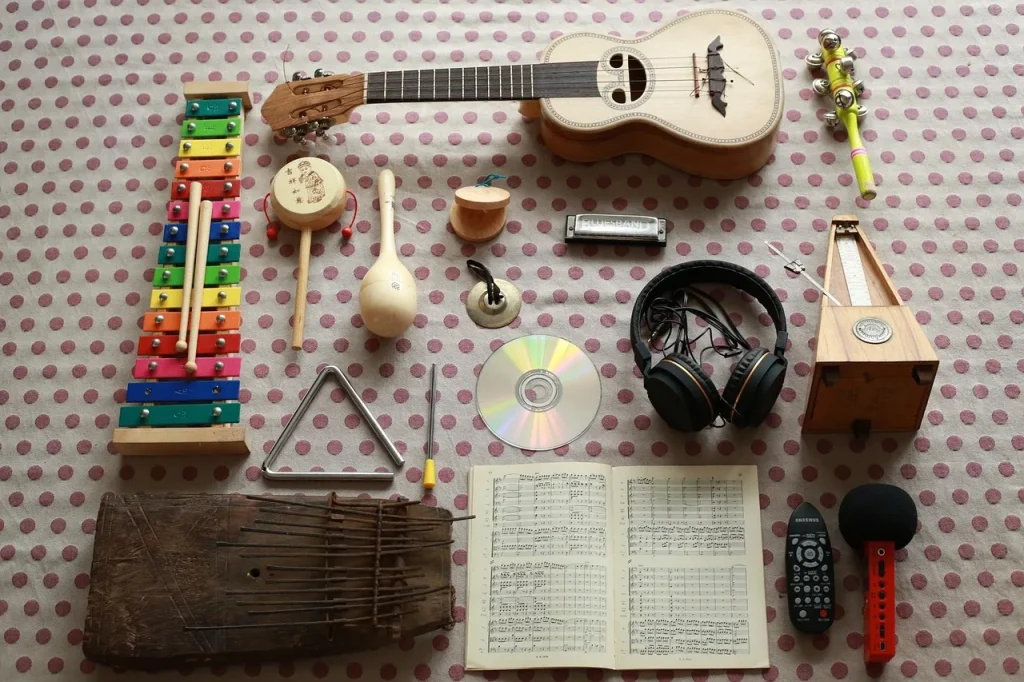
The harmonica is an instrument that is easy to carry and learn. It is perfect for beginners who want to discover music in a fun way. Three things are needed to learn successfully: having fun, following a good method, and practicing often. With a harmonica, you can play songs and entertain your friends without having to tune the instrument.
Beginners are often surprised by how quickly they can learn. Some play their first tune in less than an hour. However, regular practice is necessary to progress: 30 minutes a day is ideal. The harmonica is considered easy to learn—simpler than the saxophone or trumpet.
A good teacher can help you improve your skills quickly. However, some people give up early. It is important to find a method you enjoy so that you do not become discouraged. This will allow you to continue enjoying the process of learning the harmonica.
Why learn to play the harmonica?
Learning to play the harmonica offers many benefits of playing the harmonica. It is a lightweight instrument and a form of portable music that is easy to take anywhere. You can play at any time, whether with friends or by yourself.
The harmonica’s sociable nature makes the instrument very appealing. It creates a cheerful atmosphere, whether you are alone or in a group. Playing a variety of pieces, including blues, rock, and folk, encourages musical interaction.
Getting started with the harmonica is easy and fun. Many people begin without any prior knowledge and quickly learn the basics. It is a perfect instrument for anyone who wants to discover music in a simple and enjoyable way.
Playing the harmonica helps musicians develop technical skills and appreciate a variety of musical styles. The instrument encourages creativity and the pleasure of playing, making the learning process more motivating.
Choosing the right harmonica
Choosing a harmonica can be difficult given the many available harmonica models. It is important to understand the differences between the diatonic harmonica and the chromatic harmonica. Each type has particular characteristics that can change your musical experience.
The different harmonica models
The diatonic harmonica is ideal for beginners, especially for blues, rock, and jazz. The Hohner Special 20 costs €39, the Hohner Golden Melody €55, and the Suzuki Blues Master €32. These affordable prices are ideal for getting started.
The chromatic harmonica lets you play every note. It is more complex but appealing to those who want to explore different styles. The Hohner and Lee Oskar brands are known for their quality, making them good choices for beginners.
Criteria for making a good choice
When choosing a harmonica, several harmonica purchasing criteria are important. Size, key, and playing style are essential considerations. Diatonic harmonicas, which are about 10 cm long, are practical and comfortable.
Beginners would be wise to choose well-known brands. A higher price does not always guarantee better quality. A quality harmonica such as the “Bête de Course” is a good investment for learning.

| Model | Type | Price (€) | Features |
|---|---|---|---|
| Hohner Special 20 | Diatonic | 39 | Durability, comfort |
| Hohner Golden Melody | Diatonic | 55 | Warm sound, good response |
| Suzuki Blues Master | Diatonic | 32 | Good value for money |
| Marine Band Deluxe | Diatonic | 40-75 | Versatile, expressive sound |
| Hohner Blues Harp | Diatonic | 33 | Easy to use |
How to play the harmonica: tips for beginners
Learning to play the harmonica is essential for beginners. Good technique for holding the harmonica is crucial. It ensures comfort and sound quality. You should maintain a relaxed posture to make hand movements easier.
Holding the instrument correctly
To play properly, start by holding the harmonica with both hands. Place your fingers along its sides. This stabilizes the instrument and makes it easier to control.
Here are some tips for beginners:
- Play facing a light source so you can see your lips and tongue more clearly.
- Make sure your hands are not blocking the harmonica’s holes.
- Stand or sit up straight to avoid tension.
By following these tips, you will make a good start in the world of the harmonica. Regular practice and good technique are essential for making progress.
Your first notes and basic techniques
Beginners start by learning to blow and draw through the harmonica’s holes. These basic harmonica techniques are essential for playing. They allow you to produce clear sounds.
Blowing and drawing
Blowing and drawing create distinct notes. Through practice, beginners will learn the importance of these actions. Simple exercises help you master breathing and control.
Tongue position
The position of the tongue when playing the harmonica is crucial to producing a quality sound. Proper positioning makes it possible to play bent notes. Beginners should experiment to find the best position.
Resources such as online tutorials and practical exercises are useful. They make learning more dynamic and rewarding.
Taking harmonica lessons
Taking harmonica lessons is essential for making rapid progress. A good teacher is crucial. A teacher guides the student through personalized learning and helps them avoid mistakes. With a well-structured plan, beginners avoid developing bad habits.
A teacher’s value lies in the ability to correct mistakes. A teacher helps students master the instrument.
The value of a teacher
An experienced teacher adapts lessons to the needs of each student. The teacher offers advice on choosing a harmonica and on playing technique. The teacher also guides the student in adopting good practices and learning advanced techniques.
Each student progresses at their own pace, ensuring a solid learning experience.
Online and in-person lesson options
Online harmonica lessons and in-person lessons offer considerable flexibility. The online harmonica lessons include eight hours of videos. They make it possible to learn remotely, from the fundamentals to advanced techniques.

In-person harmonica lessons encourage direct interaction. They are ideal for anyone who wants immediate feedback. Whatever the format, learning the harmonica enriches your musical abilities.
Using suitable learning resources
To progress quickly when learning the harmonica, it is crucial to use a variety of harmonica learning resources. Books and online tutorials are essential. They offer practical exercises and technical tips. These tools help you acquire the fundamentals and deepen the necessary knowledge.
Books and online tutorials
Harmonica books provide a solid learning structure. They cover subjects ranging from fundamental techniques to more complex pieces. Choosing books suited to your level is crucial for practicing effectively.
Online harmonica tutorials reinforce learning through videos. These demonstrate how to play specific pieces by explaining every step. This makes the material easier to understand and perform. It is important to choose these resources carefully to ensure a high-quality learning experience.

| Resource type | Benefits | Examples |
|---|---|---|
| Books | Learning structure, practical exercises | Harmonica For Dummies, The Harmonica Primer |
| Online tutorials | Visual aids, practical demonstrations | YouTube, specialist websites |
By using these harmonica learning resources, students can improve their playing independently. A balanced approach combining theory, practice, and online advice can accelerate progress in this fascinating art.
Regular practice for making progress
Harmonica practice is essential for beginners. It improves technical skills and helps retain knowledge. Practicing for 30 minutes a day can lead to significant progress.
The importance of consistency
Practicing every day is an effective practice tip. It strengthens musical memory and helps techniques become second nature. Taking breaks between sessions helps you absorb new information more effectively.
Setting short-term goals can be motivating. Playing different styles makes learning more interesting. For more advice, look here.

Conclusion
Playing the harmonica with ease is within everyone’s reach. By following these tips for beginners, you can make progress. Choose a suitable instrument and practice regularly.
Playing techniques vary and offer many possibilities. A summary of harmonica tips is helpful. It encourages experimentation and promotes personal interpretation.
Investing time in learning the harmonica will enrich your musical journey. Whether you play blues, folk, or jazz, every note is a source of pleasure and creativity.