
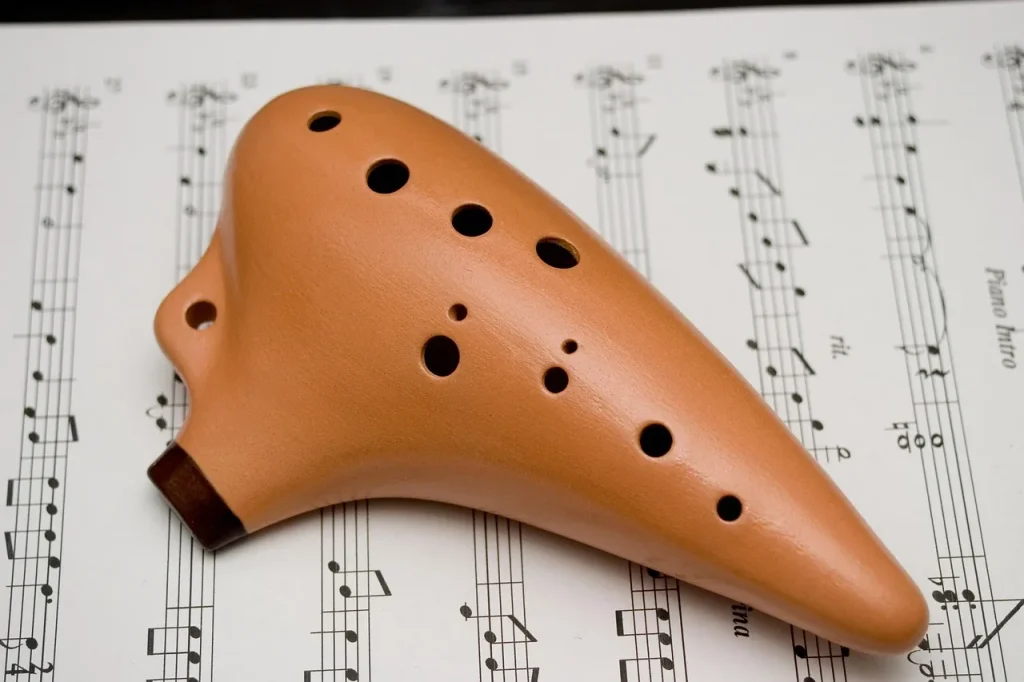
A simple and clear introduction for anyone discovering this ancient wind instrument. The modern form became established thanks to Giuseppe Donati in 1853, and its tone quickly won people over.
To get off to a good start, choose a suitable model and follow structured lessons. The basics include finger positioning, breath control, and simple techniques.
Regular practice transforms this object into a relaxation tool. Within a few weeks, you can learn melodies and appreciate music as a way to achieve mindfulness.
If you are looking for resources and practical advice, consult a comprehensive guide or tutorials. For example, this practical guide offers effective methods for learning and exercises: mastering the instrument and its techniques.
Why choose the ocarina as a musical instrument
The light weight and soothing tone of this instrument make it an obvious choice for learning quickly. Its portability lets you practise anywhere, on public transport or in the park, without the bulk of other instruments.
Its sound is often reminiscent of a recorder and lends itself well to mindfulness exercises. The breath required remains moderate: you do not need powerful lungs to produce clear notes.
Its history dates back to ancient civilizations such as the Maya and Aztecs, who used it during rituals. This origin adds a cultural dimension to playing and inspires some themed lessons.
Quick results: with regular lessons and a few minutes of practice each day, you can play melodies within a few weeks. The relationship between time invested and progress is often cited as a decisive advantage.
- Accessible from the outset, it provides an easy introduction to music.
- It is easy to carry, so you can practise at any time.
- The ethereal quality of its sound helps reduce stress.
Ocarina for beginners: where should you start?
Learning to play a new instrument can be quick if you follow simple, regular steps. The benefits extend beyond sound: hand-eye coordination improves quickly, and muscle memory develops with practice.

The benefits of learning
Natural breathing is enough to produce clear notes, making this wind instrument less physically demanding than others. Concentration and fine motor skills improve from the first few weeks.
The instrument’s accessibility
Its compact size suits both children and adults. You can play without knowing complex music theory, making this introduction to music an accessible pleasure.
- Skills: rapid improvement in hand-eye coordination.
- Practice: short, regular sessions are enough to make progress.
- Lessons: online lessons make learning easier, even without prior experience.
For help choosing a model and making the most of your learning, consult this guide on which model to choose.
The different types of ocarinas for getting started
The type of instrument you choose determines its range and how easy it is to learn.
Transverse models often have 12 holes. They offer a wide range of notes and are well suited to comprehensive learning. They allow you to play varied melodies and follow online lessons more easily.
Pendant models generally have 4 to 6 holes. They are convenient for travel and for children. Their simplicity does, however, limit the number of available notes.
The material also influences the sound. Ceramic produces a rich, traditional tone. Plastic is durable, light, and easy to maintain—a common choice for taking your first steps.
| Type | Holes | Advantage | Recommended for |
|---|---|---|---|
| Transverse | 12 | Wide range, versatile | Teenagers and adults |
| Pendant | 4–6 | Compact, easy to carry | Children and travel |
| Ceramic or plastic | — | Ceramic: rich sound; plastic: durable | All levels |
To make progress, consult online fingering charts. Targeted lessons and a few practical tips will help you choose the right model for the shape of your hands and your musical goals.
Essential criteria for choosing your first instrument
Selecting the right model affects both your progress and your enjoyment of playing. This choice is based on three simple elements: material, key, and build quality.

Ceramic or plastic
Ceramic offers a warm, traditional tone. It is appealing because of its sound but remains vulnerable to impacts.
Plastic is robust and affordable. It is suitable for playing on the go and for children.
- Advantage of ceramic: rich sound.
- Advantage of plastic: resistance to drops.
- Check that there are no burrs or cracks; the holes must be clean to ensure accurate tuning.
The importance of the key
Alto C is often recommended. It offers a good balance between low and high notes and makes learning easier.
Choose recognized brands such as STL or Hindocarina to ensure that your instrument is properly tuned when you buy it.
| Criterion | Recommendation | Indicative price | Recommended for |
|---|---|---|---|
| Material | Ceramic or plastic | €10–€60 | All levels |
| Key | Alto C | — | Adults and children |
| Finish | No burrs, clean holes | — | Discerning buyers |
| Brands | STL, Hindocarina | — | Those seeking quality |
For more advice and a detailed comparison, follow this buying guide. Suitable online lessons will complement your learning and help you make a sound choice.
Mastering posture and how to hold the ocarina
Adopting a stable posture makes breath control easier and limits fatigue during practice sessions. Stand with your back straight: this posture should be your foundation before every exercise.
Positioning the hands and fingers
The left hand covers the upper holes, while the right hand manages the lower holes and sub-holes. Keep your fingers relaxed and place the pads over the holes to prevent air leaks.
Do not clamp the mouthpiece tightly: excessive pressure creates whistling sounds. Music lessons emphasize that diaphragmatic breathing works best when the chest remains open.
- Posture: back straight, shoulders relaxed.
- Fingers: flexible, covering the holes precisely.
- Tension: do not grip the instrument tightly; maintain a natural hold.
- Tip: practise in front of a mirror to check your position and the balance of your hands.
Fundamental breath-control techniques
Controlling your airflow is essential for producing clear, even notes. Use diaphragmatic breathing: inhale deeply, then exhale while controlling the pressure. This breathing method produces a steady flow, ideal for a wind instrument.
Blowing too hard makes the sound sharp and shrill. Conversely, breathing too weakly produces a flat, lifeless note. Practise finding the nuance between these two extremes.

An electronic tuner helps calibrate air pressure: blow while holding a note and adjust your breath until you reach the correct pitch.
“Diaphragmatic vibrato enriches the tone and helps stabilize the note.”
Practise long tones to develop consistent breathing. Start without covering the holes, then hold a note for 10 to 20 seconds.
- Quick tips: check your posture and keep your chest open.
- Each note requires specific pressure: this is a step to work on during lessons.
- Vibrato technique can be introduced gradually to enrich the music.
| Goal | Exercise | Duration |
|---|---|---|
| Steady airflow | Long tones without covering the holes | 10–20 sec × 5 |
| Accurate pitch | Use an electronic tuner | 5–10 min |
| Expression | Guided diaphragmatic vibrato | 2–5 min |
To follow online lessons and step-by-step methods, consult this practical how-to guide and explore suitable tablatures in sheet music and tablatures.
Learning to read tablature and sheet music
Reading tablature greatly simplifies learning and makes every melody more accessible.

Ocarina tablatures use filled and empty circles to indicate which holes to cover. This visual code turns a line of symbols into concrete finger movements.
The numbering system, from 1 to 6 or from 1 to 12, helps you quickly identify the hole to operate. The left and right hands must coordinate to follow the sequence.
Basic music-theory concepts
Standard notation—treble clef, note values—complements tablature. It opens the way to more advanced reading and playing in a group.
- Combine tablature and sheet music to develop well-rounded skills.
- Use MuseScore to transpose and adapt notes to your key.
- Visit OcarinaTabs.org to find free melodies and reading exercises.
“Mastering fingerings and reading speeds up playing and improves accuracy.”
By following regular lessons and practising reading, you will improve your breathing, hand coordination, and note accuracy.
Practical exercises for making rapid progress
Short, regular sessions are the key to rapid progress. Work for 15 minutes a day on a scale, such as C major, and observe the results after three months.
Practising scales
Start slowly and increase the speed with a metronome set to 60 BPM. Repeat each sequence until your notes are steady and clean.
Developing muscle memory
Repeat the fingerings slowly, then link them together in rhythm. The mirror exercise, which involves playing the same line an octave higher, corrects pitch and reinforces finger memory.
The importance of consistency
Recording yourself is a simple way to monitor your progress and adjust your breathing or the position of your right hand. Lessons recommend progressing in stages and avoiding bad habits.
- Routine: 15 minutes of scales each day.
- Tempo: metronome at 60 BPM to work on accuracy.
- Listening: record yourself to correct your playing.
| Goal | Exercise | Frequency |
|---|---|---|
| Accurate pitch | Slow scales with a metronome | 15 min per day |
| Dexterity | Repeated fingering sequences | 10–15 min per session |
| Control | Recording and critical listening | Once a week |
For comprehensive advice and lessons, follow a structured guide that will help you incorporate these exercises into your routine.
Tips for maintaining and protecting your ocarina
A few simple steps after each session are enough to preserve the quality of its notes.
Clean the outside with a soft cloth to remove condensation and fingerprints. Your hands should be clean before handling the instrument.
Plastic models can be cleaned easily with a cotton swab. Ceramic, meanwhile, should be allowed to air-dry naturally and must not be scrubbed aggressively.
Avoid extreme temperatures and excessive humidity: these factors can create microcracks and alter the instrument’s shape as well as the accuracy of each note.
- Storage: keep the instrument in a case to protect it from impacts, dust, and scratches.
- Weekly maintenance: use compressed air to clear cavities and blocked holes.
- Watch your fingers: avoid cream or oil residue, which can seep in and block a hole.
Ocarina: how can you maintain a stable tone? Follow regular lessons, sign up for an ocarina guide, and take the time to protect your instrument.
“Simple maintenance is worth hours of lost tuning.”
Conclusion
In summary, this wind instrument offers a simple and rewarding introduction to the world of music. With a suitable instrument and regular practice, you will quickly produce clear notes.
Choosing the model, maintaining it, and practising breathing and fingering exercises are the pillars of your progress. Patience pays off: learning takes time, but the results are motivating.
Join online communities to exchange advice and sheet music. Also consult this 6-hole guide to find practical resources on holes, techniques, and practice routines.
Start today, blow your first notes, and enjoy the pleasure of playing: your skills will grow with every session.