
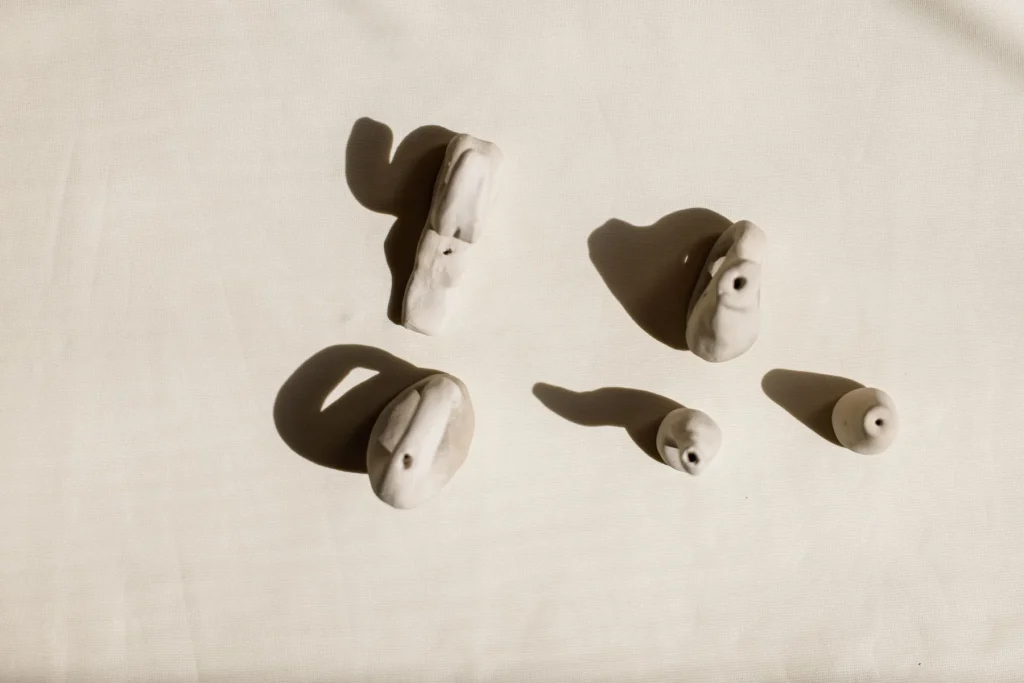
A clear guide for every musician: this article presents the essential points for choosing and preserving this ancient instrument.
Since 2015, demand has increased sharply. Sales have risen by around 300% following the boom associated with popular works such as The Legend of Zelda.
This practical guide explains how the material affects tone quality and the instrument’s longevity.
We detail the simple steps that will protect your purchase and maintain stable intonation over the years.
Whether you want to learn or invest, you will find advice on how to make good use of your ocarina and choose a durable model.
Introduction to the world of the ocarina
From Mayan rituals to nineteenth-century Italian workshops, this instrument has a rich history. It was once used for long-distance communication and to accompany sacred ceremonies among the Maya and Aztecs.
In the nineteenth century, Giuseppe Donati modernized its shape and popularized the transverse model in 1860. This transformation made the instrument more stable in terms of tuning and musical practice.
Playing relies on precise breath control and specific fingerings. Unlike conventional flutes, producing notes requires very fine control of the breath.
For beginners, learning is quick: a few hours of regular practice are often enough to play simple melodies. Its versatility makes it suitable for varied repertoires, from folk music to contemporary pieces.
- Pre-Columbian origins: a ritual and communicative role.
- Nineteenth-century reform: the transverse shape created by Donati.
- Easy to learn: ideal for beginners.
Wooden ocarina: sound, care, and uses
A warm tone is immediately noticeable. The material influences sound quality: wood produces gentle harmonics, carries well throughout the range, and provides a presence that experienced musicians greatly appreciate.
The warm tone of wood
Acoustic advantage: wood produces a natural sound that enhances melodic playing and simple chords.
The range and number of holes vary between models, expanding the possible repertoire.
Durability and strength
Compared with ceramic, this material withstands impacts better. It is suitable for frequent travel and touring musicians.
Each instrument requires regular care: applying a suitable wax protects it against moisture and extends its lifespan.
- Investment: the price is often higher, but rarity and quality justify the cost.
- Learning: beginners get a good balance of durability and playing enjoyment, provided the instrument is properly maintained.
- Practice: careful tuning and breath control improve fingering accuracy.
Origins and evolution of this ancestral instrument
The history of this instrument reveals a remarkable continuity between ancient traditions and modern innovations.
The earliest versions appeared among pre-Columbian civilizations. The Maya and Aztecs used them during rituals and ceremonies. This ritual role reflects the instrument’s social and symbolic value.
In 1860, Giuseppe Donati transformed its handcrafted construction. His transverse shape made the instrument easier to play and stabilized its tuning. This development marked its transition from a ritual object to a true musical instrument.
Since 2015, its popularity has soared, rising by around 300% thanks to popular culture. Contemporary makers preserve traditional methods while continuing to innovate.
To learn more, read a detailed feature about its origins and famous sheet music in this complete guide. Today, this instrument continues to inspire musicians who connect past and present.
Material comparison: wood versus ceramic
Studio or outdoors: the material affects projection, durability, and weight.
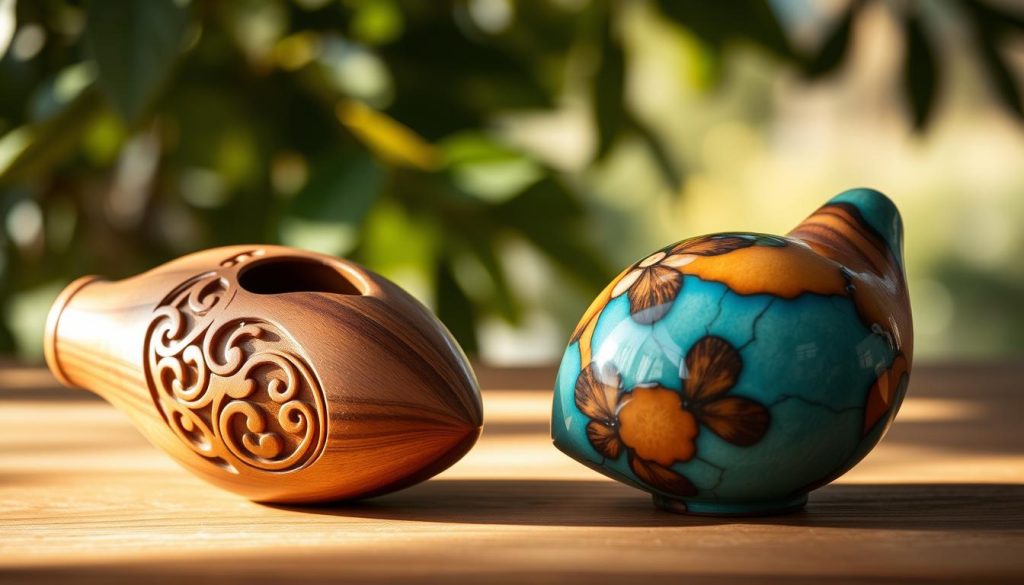
Ceramic produces a precise, warm sound. It offers clear projection, making it ideal for studio recording. Its tuning remains stable during long sessions.
Wood offers a more organic tone. It is also lighter, weighing around 40% less than some ceramic models. This low weight makes outdoor playing and transport easier.
For beginners, the choice often depends on price and vulnerability to impacts. Plastic models are durable, but sometimes sacrifice quality.
Advantages for recording
- Ceramic provides clear projection and consistent tuning.
- Wood adds warmth that flatters the instrument’s register and melodic range.
- Handcrafted terracotta instruments offer a unique signature, but require careful handling.
“Precision for the studio, warmth for the stage: match the material to your needs.”
Analysis of range and sound registers
Understanding sound registers helps you choose the right model for your repertoire.
Soprano models
Soprano models cover the upper part of the range. They offer bright, penetrating notes.
Be careful: without precise breath control, the tone can become shrill. The holes are close together, requiring considerable finger agility.
Alto models
The alto C is often recommended for beginners. It combines ease of playing with versatility.
Its range suits many repertoires. The hand quickly finds a comfortable position.
Bass models
Bass models offer deep, broad, enveloping notes. They are well suited to meditative pieces.
These models require a wider finger span. Their tuning must remain stable throughout the range.
“The chosen range shapes the repertoire, playing comfort, and tonal color of the instrument.”
| Register | Characteristic | Recommended players | Preferred material |
|---|---|---|---|
| Soprano | High notes, closely spaced holes | Agile performers | Ceramic for projection |
| Alto C | Versatile, easy to play | Beginners and enthusiasts | Wood or clay for warmth |
| Bass | Low notes, broad range | Composers, slow pieces | Wood for depth |
The importance of the number of holes in playing
The choice of hole count determines the complexity of the available range and the richness of the playable repertoire.
For beginners, four-hole models remain ideal. They are quick to master and offer a simplified range that makes learning easier.
Twelve-hole models can play up to 21 notes. This format often becomes the standard for musicians who want to perform complex melodies, such as those from The Legend of Zelda.
Tuning quality depends on the precision of the holes. Careful construction ensures stable intonation and better resonance for the chosen material, whether clay or something else.
The number of holes also affects fingering and ergonomics. The hand must cover every opening; otherwise, playing comfort and accuracy deteriorate.
- 4 holes: quick to learn, suitable for children.
- 12 holes: broad range and versatile repertoire.
- Precision: tuning requires accurately drilled holes to ensure quality.
“The number of holes guides the musician’s journey, from the first breath to advanced pieces.”
| Number of holes | Approximate range | Recommended players | Main advantage |
|---|---|---|---|
| 4 | Limited notes, simple range | Children, beginners | Easy to learn |
| 8 | Intermediate range | Improving enthusiasts | Balance between playing and technique |
| 12 | Up to 21 notes | Experienced musicians | Broad repertoire, performance |
To compare models before buying, consult a detailed product page such as the one for this ceramic model. This helps you check the tuning, hole size, and ergonomics.
Differences between Asian and Pacchioni fingerings
Fingering systems profoundly influence the available range and fluidity of playing.
Asian fingerings: these favor a straightforward extension of the range. This arrangement adds notes without making the instrument more complex to build. It is well suited to beginners who want to expand their range without using advanced techniques.
Pacchioni system: this system is based on overlapping notes between chambers. Transitions become smoother. The result encourages rich musical expression and is useful for multi-chamber models.
The quality of the model and its material, whether clay or something else, must suit the chosen system. Check the tuning of every chamber before buying.
- Multi-chamber models require good control of the breath and hand movements.
- For beginners, the Asian approach is often more intuitive.
- Advanced musicians seek the fluidity offered by Pacchioni to play a broad repertoire.
“Mastering these fingerings transforms the instrument into an expressive tool capable of fine nuances.”
Tips for choosing your first instrument
A good start begins with an instrument suited to your body and goals. This short guide will help you make the right choice before buying.
Match the size to your hands
Measure the span between your thumb and little finger. An instrument that is too large makes positioning and precise hole coverage difficult.
Choose a model that lets your hand remain relaxed. This makes learning easier and prevents fatigue.
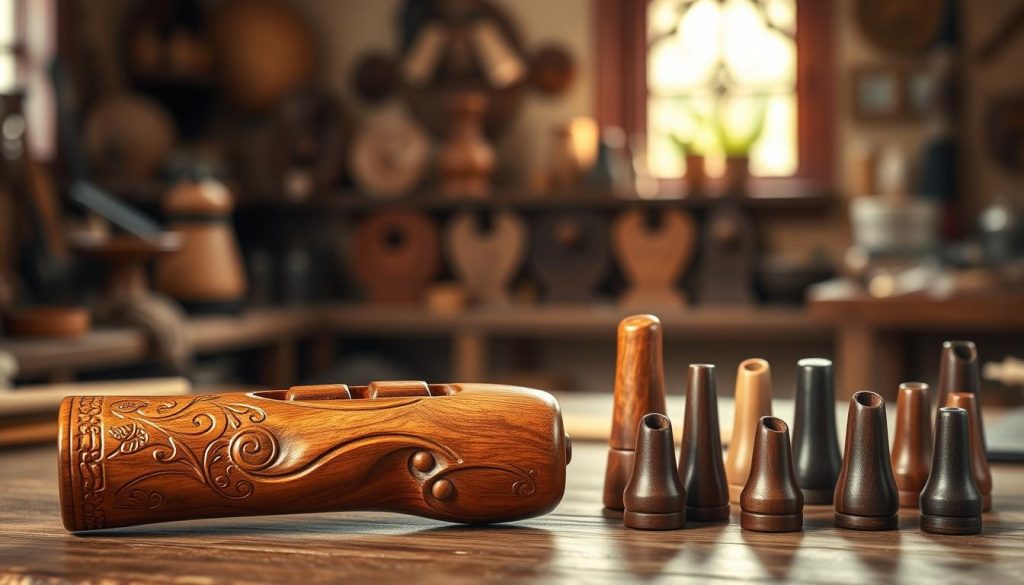
Test the mouthpiece
Before buying, blow a few notes to check the comfort of the mouthpiece. Proper breath alignment improves tone quality and tuning.
For a beginner, plastic or ceramic models withstand impacts better and simplify the first stages of learning.
- Check the range and number of holes against your musical goals.
- Research brands and reviews to confirm quality and price.
- Online, check the return policy to make a low-risk purchase.
“Choosing the right instrument increases your chances of progressing quickly.”
To compare the options and find the best beginner models, see our dedicated selection: best models for beginners.
Recognized brands and trusted makers
Several respected workshops now offer reliable instruments for demanding musicians.
STL, Musique de Terre, Dinda, Spencer, and Stein are among the recognized brands. They offer models covering a broad range and featuring various numbers of holes.
Why choose an established brand? Build quality and tuning control are essential for producing accurate notes. Craftspeople apply careful finishes, whether the material is ceramic or something else.
- Quality: handcrafted finish and consistent intonation.
- Warranty: after-sales service and possible adjustments.
- Choice: ranges extending from entry-level to professional models, priced from €35 to more than €300 depending on complexity.
“Investing in a recognized brand gives you a durable instrument capable of producing consistent sound quality.”
Review catalogues before buying to compare range, holes, and tuning. This makes it easier to choose a model suited to your level.
Pitfalls to avoid when buying online
Purchases from online marketplaces require particular care to avoid disappointment. Many listings feature polished photographs and low prices, only for defective products to arrive.
Checking the tuning
Before any purchase, check the tuning. A 2022 study indicates that 87% of instruments sold on certain platforms such as AliExpress are poorly tuned.
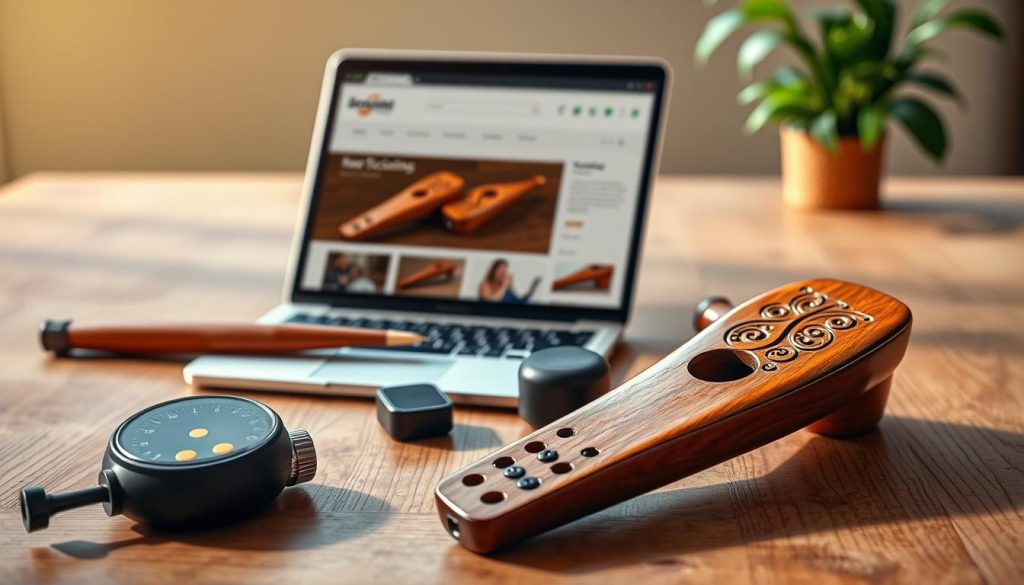
To reduce the risks, read the guide and watch demonstration videos. Check for a tuning certificate, the return policy, and the reputation of the brands.
- Avoid low-priced offers without a warranty.
- Check the photographs, descriptions of the drilled holes, and verified reviews.
- Choose specialist retailers that offer a warranty, after-sales support, and returns—for example, STL with a 14-day return period.
“A poorly tuned model can never be corrected, even by an experienced musician.”
By remaining vigilant, you make the right choice, protect your investment when buying, and enjoy better playing quality.
Budget and investment according to your level
Setting a budget helps you choose an appropriate instrument for your level and goals. A broad range of options is available, from low-cost plastic models to premium handcrafted wooden pieces.
For a beginner, buying a moderately priced ceramic model offers excellent value. It combines impact resistance with sufficiently accurate intonation for making progress.
Experienced musicians favor more expensive options, such as multi-chamber models, to extend their range and repertoire. Twelve-hole instruments often remain the best compromise for playing many notes.
- Move upmarket gradually according to your needs for notes and complexity.
- Compare prices and features before buying to avoid disappointment.
- Planning a budget lets you invest in a durable model that will accompany you for years.
“A carefully considered investment ensures progress without technical frustration.”
| Price range | Type | Advantage | Recommended players |
|---|---|---|---|
| Plastic | Low cost, impact resistant | Children, workshops | |
| €30–€120 | Ceramic | Good tuning, good value | Beginners to intermediate players |
| > €120 | Handcrafted or multi-chamber | Broad range, careful finish | Experienced musicians, professionals |
To estimate the exact budget and see examples, read our feature on the price of a quality instrument.
Basic techniques for a confident start
Start by mastering your breath: it is the key to producing clean notes.
Articulate each musical phrase by controlling air pressure. Practice short attacks, then gradually lengthen the note values.
Follow a structured learning guide and repeat daily exercises. These routines strengthen the hand, improve fingering, and develop muscle memory.

Practice scales slowly to stabilize tone quality and learn your model’s range. The tablature for “Song of Time” is well suited to a beginner playing an alto C.
- Posture: relaxed, wrist neutral, hand covering the holes without tension.
- Budget: a good purchase pays for itself through greater playing enjoyment and more accurate intonation.
- Ceramic: a lively response to the breath, useful for correcting technique quickly.
“A few minutes each day are enough to make progress: consistency is better than long, irregular sessions.”
| Technique | Goal | Recommended duration |
|---|---|---|
| Breathing exercises | Control of attacks and sustained notes | 5 to 10 minutes per day |
| Slow scales | Fingering accuracy | 10 to 15 minutes per day |
| Basic chords | Accompaniment and harmony | 5 minutes per day |
To supplement your learning, read the guide and online tutorials explaining breath management, model selection, and price criteria.
Care guide for preserving sound quality
Preserving accurate intonation requires simple, consistent care.
Regular maintenance is essential for preserving the quality of instruments, especially wooden models that are sensitive to changes in humidity.
Maintain relative humidity between 45% and 55%. Apply a suitable oil to wooden instruments every six months to prevent cracking.
After every session, wipe the surface with a microfiber cloth. On ceramic pieces, this prevents moisture buildup that could damage the finish.
Avoid thermal shocks, drops, and prolonged exposure to sunlight. A cracked or poorly tuned instrument will lose its musical value.
- Consult the material-specific guide to identify recommended products.
- Choose a hard case when buying to protect the instrument against impacts.
- Brands such as Musique de Terre provide practical advice for extending its lifespan.
Maintenance is an integral part of a musician’s life; it is a small investment of time that preserves tone and tuning over the long term.
Conclusion
Selecting the right model determines your progress and enjoyment of playing. A carefully considered purchase protects your budget and prevents disappointment caused by a poorly tuned instrument.
Choose recognized brands to ensure stable intonation. For confident learning, match your choice to your level, intended use, and desired range.
To learn more about preserving the instrument and the simple steps involved, read the guide. The practical advice will help you keep a reliable instrument over the long term.
By relying on references such as Musique de Terre and specialist reviews, you will make a sound choice that turns your purchase into a lasting musical companion.