
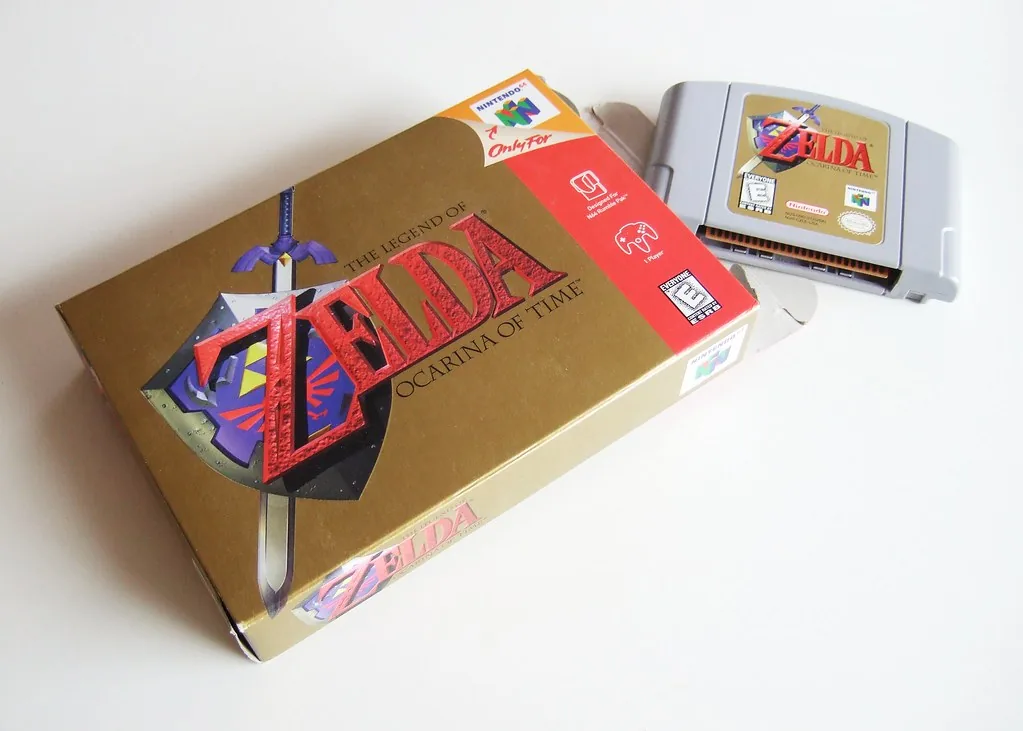
This game defined an era for Nintendo 64 players. The melodies accompanying the adventure have remained etched in people’s memories.
Each theme served the story and exploration. The use of the ocarina linked gameplay to composition.
The game features simple yet profound pieces, designed to define a scene or location.
In this article, we will revisit these themes and their cultural legacy. Get ready to rediscover music that has transcended generations and still moves fans in France.
Koji Kondo’s musical legacy
From his earliest work, Koji Kondo forged an instantly recognizable musical identity. His approach to themes established a distinctive sound for the series and its characters.
The musical identity
The composer connected melody and gameplay to create memorable themes. His compositions combine simplicity and emotion. They remain clear even when adapted into orchestral versions.
The evolution of the orchestrations
The sound has evolved over the years. Electronic textures have given way to sweeping symphonic passages without sacrificing quality.
- An instrument with 12 holes can faithfully reproduce certain pieces.
- The flute and the ocarina share techniques, making complex tunes easier to perform.
- Playing this instrument requires restraint and controlled breath to produce precise notes.
Every note highlights the care taken by the sound teams. To learn more about the iconic themes, read this dedicated article: top 5 pieces.
Zelda Ocarina of Time: the most memorable music
From its opening notes, the adventure establishes a unique and solemn aura.
The opening is a melody that defines the game’s first few minutes on Nintendo 64.
Thanks to Koji Kondo, this introduction became the centerpiece that secured the legacy of this cult video game.
The series stands out for pieces that play a narrative role. They accompany travel and heighten the emotions.
- The opening melody, often played on the ocarina, captures the spirit of exploration.
- The themes evolve over time while remaining recognizable.
- Every musical item supports the player’s progress.
| Element | Function | Impact |
|---|---|---|
| Opening | Introduction | Memorable and attention-grabbing |
| Area themes | Atmosphere | Greater immersion |
| Ocarina songs | Game mechanic | Narrative interaction |
To explore more iconic themes, see this dedicated selection: top 10 themes.
The narrative power of dungeon themes
The oppressive atmosphere of dark places
The very first game used 8-bit sounds to mark the entrance to a dungeon. These simple textures create immediate tension.
Low notes heighten the urgency as soon as a door opens. The melody becomes a cue: danger, a challenge or a secret waiting to be discovered.
- Each dungeon features complex puzzles that require listening for audio clues.
- The piece associated with a room turns the experience into a psychological as well as a physical challenge.
- The music of water or the forest changes the tone and guides the player toward sealed doors.
There are melodies and short pieces that use time and sound to guide puzzle-solving. The ocarina and other motifs act as signposts. This musical spirit is what makes every dungeon memorable.
The adventure’s masterful introduction

When the hero leaves the forest, the screen opens onto a changing soundtrack full of promise. This opening marks a key moment in the history of the Nintendo 64 video game.
The presentation showcases every instrument. Thanks to carefully crafted arrangements, the pieces evolve with the day-night cycle. The ocarina quickly becomes a central item, used to interact with characters and trigger narrative moments.
This entrance into the wider world shifts from a cheerful atmosphere to more serious tones. At every stage, the music strengthens the bond between the player and the young protagonist’s destiny in the kingdom.
- Musical opening: discovery and emotion.
- Variations according to the time: greater immersion.
- Central instrument: interaction and progression.
Gerudo Valley and its unique atmosphere
Entering Gerudo Valley means feeling a musical western breeze that instantly transforms the atmosphere of the world. This exhilarating melody blends Spanish influences with Ennio Morricone-style motifs to create the impression of a vast and dangerous landscape.

The theme accompanies the player while crossing the arid landscape on horseback. Thanks to rich instrumentation, entering this area becomes a key moment in the adventure.
- A breakneck rhythm encourages exploration and highlights the desert’s secrets.
- The ocarina, though less prominent here, remains a musical link to the forest and other regions.
- These compositions make the valley’s pieces memorable musical landmarks.
The ocarina’s central role in gameplay
The ocarina quickly becomes a tool that transforms exploration into a musical puzzle. This instrument guides the player not only through atmosphere, but also through concrete actions.
With its 12 holes, the ocarina offers a range of notes for learning essential pieces. Each tune triggers a specific effect in the game.

The ocarina’s role is multifaceted: solving puzzles, opening passages and changing the environment. Mastering this instrument becomes a key skill for making progress.
“Every note played can reveal a secret or activate a mechanism in the world.”
- Manipulate the environment through music.
- Learn pieces to unlock new areas.
- Understand the combinations associated with the 12 holes to progress.
| Function | Action | Example effect |
|---|---|---|
| Puzzle-solving | Play a specific tune | Open a hidden door |
| Progression | Learn a piece | Activate a bridge or lever |
| Exploration | Use variations | Change the time or summon an item |
The essential songs for making progress
Melodies learned along the way serve as keys and tools for progressing through the game. They connect story and mechanics while setting the rhythm for every stage of the adventure.
Zelda’s Lullaby
Learned from Princess Zelda at Hyrule Castle, this melody opens doors marked with the Triforce symbol.
Epona’s Song
Taught by Malon at Lon Lon Ranch, this song makes traveling between regions easier.
It can also provide free milk and summon a mount to cross the plains more quickly.
Saria’s Song
Discovered in the forest of the Lost Woods, this song enables telepathic communication with Saria.
It provides useful clues for solving puzzles involving water and other environmental elements.
- Thanks to these songs, the player unlocks key interactions.
- The 12-hole ocarina becomes the central instrument for performing these pieces.
The magic of the Song of Time
The Song of Time changes the course of the adventure by granting the player a unique power.
After recovering the three Spiritual Stones, Princess Zelda passes on this melody. This moment marks a key stage in the story and in the player’s role.
Playing this song on the ocarina allows the player to manipulate the day-night cycle. This mechanic is used to open temporal passages and reach hidden areas.
The piece acts like a magical instrument. Simple pieces become practical tools for solving puzzles, particularly in the Temple of Time.
“Mastering this melody is essential to uncovering the world’s final secrets.”
- Passed on by the princess: stronger narrative progression.
- Day-night alternation: access to specific areas.
- Practical use: solving puzzles with songs connected to time.
Customization and creativity with the Scarecrow’s Song
Composing eight notes to summon Pierre the scarecrow turns music into a concrete action.
The song lets the player create a personalized melody. Players choose their notes and invent pieces of their own.
By making use of the ocarina’s 12 holes, the device becomes a genuine instrument of expression. It is no longer just a flute: players can compose unique songs with it.
The creative freedom offered by this song changes the way the game is approached. Each tune can summon Pierre in enclosed areas. In this way, your creations open passages and reveal secrets.
- Freedom: compose and memorize an eight-note phrase.
- Function: summon the scarecrow in hidden places.
- Identity: each piece becomes the player’s signature.
| Element | Action | Effect |
|---|---|---|
| Composition | Create eight notes | Summon Pierre |
| Tool | Use 12 holes | Variety of sounds |
| Result | Play your melody | Access hidden areas |
The compositions’ cultural impact on players
Some melodies became emotional touchstones for an entire generation.
These notes moved beyond the game and entered the real world. They have accompanied moments in everyday life and social gatherings.
A generation shaped by the notes
Koji Kondo’s compositions shaped the history of video games. They became themes inseparable from the series and the adventure experienced by players.
The music has also become a subject of study and a medium for performance. Artists such as David Erick Ramos have popularized the ocarina online.
Every chant or song, whether it evokes water or the cycle of the day, carries the spirit of the game. These themes still resonate today.
| Aspect | Impact | Example |
|---|---|---|
| Compositions | Cultural transmission | YouTube covers and concerts |
| Instruments | Renewed interest | Popularization of the ocarina |
| Songs | Emotional touchstones | Memories shared among players |
“This music remains an anthem to creativity and shared nostalgia.”
Conclusion
In short, the soundtrack elevated the gameplay experience to an almost cinematic level. This game remains a benchmark thanks to the exceptional quality of its music and gameplay.
The ocarina proves that a simple instrument can become the heart of an epic. Every piece and every song learned has shaped lasting memories for millions of players in France.
A practical tip: regularly maintain the 12 holes of your ocarina to preserve the clarity of its tunes. That way, these themes will continue to move and inspire new generations.