
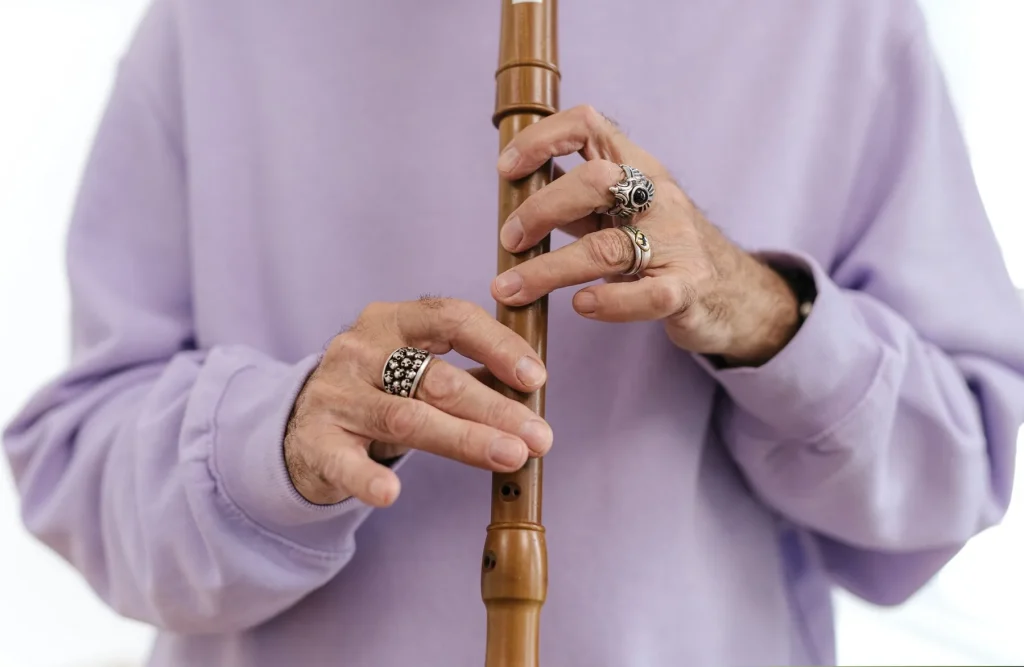
Choosing your first wind instrument can seem difficult. This title raises the essential question and helps readers define their musical goals.
This article compares the technical and educational aspects. It examines portability, range and how easy each instrument is to start playing.
The ocarina is an ancient instrument, often made of ceramic, that produces an ethereal tone. The flute, which is more conventional, offers a wider range and is frequently used in lessons and sheet music.
For beginners, fragility, price and availability all matter. Breath control and fingering differ: one requires more precise control of high notes, while the other offers greater versatility in an orchestra.
If you are looking for a practical comparison, read our comparison guide to help you decide with confidence.
Ocarina or flute: what are the differences when learning?
How easy an instrument is to handle at first remains a decisive factor when choosing a wind instrument.
The ocarina is appealing because of its globular chamber: clear sounds can be produced almost instantly. Beginners can play simple melodies without mastering a complex embouchure technique.
The concert flute requires precise lip placement. This takes more time and practice to stabilize the sound. In return, it offers a wider range.
Portability: the ocarina has the advantage. It is easy to store and lets you practise in small spaces without bulky equipment.
Before choosing, consider how much time you have available each day. The time you devote to practice affects both your learning curve and your long-term enjoyment.
- Immediate advantage: an instant introduction to music.
- Long-term advantage: the flute provides access to a broader classical repertoire.
If you are still unsure, read our comparison guide to refine your decision.
Understanding the ocarina’s distinctive features
Its simple shapes conceal a history spanning thousands of years and a surprisingly modern operating principle.
Origins and design
This instrument dates back more than 12,000 years and has been used in many rituals. Its design is based on a globular chamber that amplifies the player’s breath.
Materials: ceramic remains the traditional material, while plastic offers beginners a durable option.
How its acoustics work
Sound is created by air vibrating inside the cavity. The precision of the holes directly affects the quality of the notes.
Traditional models have 6 holes for playing simple melodies. Twelve-hole versions extend the range and make it possible to play a broader repertoire.

| Model | Holes | Material | Ideal for |
|---|---|---|---|
| Classic | 6 | Ceramic | Simple melodies, getting started |
| Extended | 12 | Ceramic or plastic | Varied repertoire, songs |
| Compact | 6 | Plastic | Travel, beginners |
With suitable diagrams and sheet music, fingering becomes intuitive, making learning faster and more enjoyable.
The distinctive features of the concert flute
Playing the concert flute relies on combining breath, fingering and disciplined posture.
This instrument features a key mechanism and numerous holes. Placing the lips on the embouchure requires close attention. Without mastering this technique, the sound remains unstable.
The range is comprehensive: the keys allow chromatic playing across several octaves. Melodies become more varied and the tonal palette expands.
Breath control is essential. The airflow must be carefully regulated to produce long, harmonious phrases. Body posture affects both lung capacity and tone quality.
Compared with ocarinas, the concert flute requires more study time. In return, it offers a rich sound that appeals to classical musicians.
- Strict lip technique to stabilize the sound.
- Keys and holes that make it possible to play the full range.
- Regular practice is required to maintain accurate intonation.
| Aspect | Requirement | Advantage | Ideal for |
|---|---|---|---|
| Mechanism | Complex keys and holes | Chromatic range | Classical musicians |
| Breath | Precise control | Long phrases, dynamics | Advanced study |
| Posture | Physical discipline | Better lung capacity | Regular practice |
If you would like to compare the options in detail, read our comparison guide.
Criteria for selecting your first instrument
A good balance between range and ease of handling helps beginners stay motivated.
Choosing the key
Recommendation: beginners should choose a 12-hole alto ocarina in C. This model provides a pleasing range while remaining easy to handle.
Always check the number of holes, as this determines the complexity of the melodies you can play. A 12-hole instrument makes chromatic playing easier without overcomplicating the fingering.
- Accessibility: key of C = plenty of sheet music and tutorials available.
- Ergonomics: choose a model that does not strain your hand, thereby avoiding tension.
- Quality: buy from specialist retailers to avoid poorly tuned instruments.
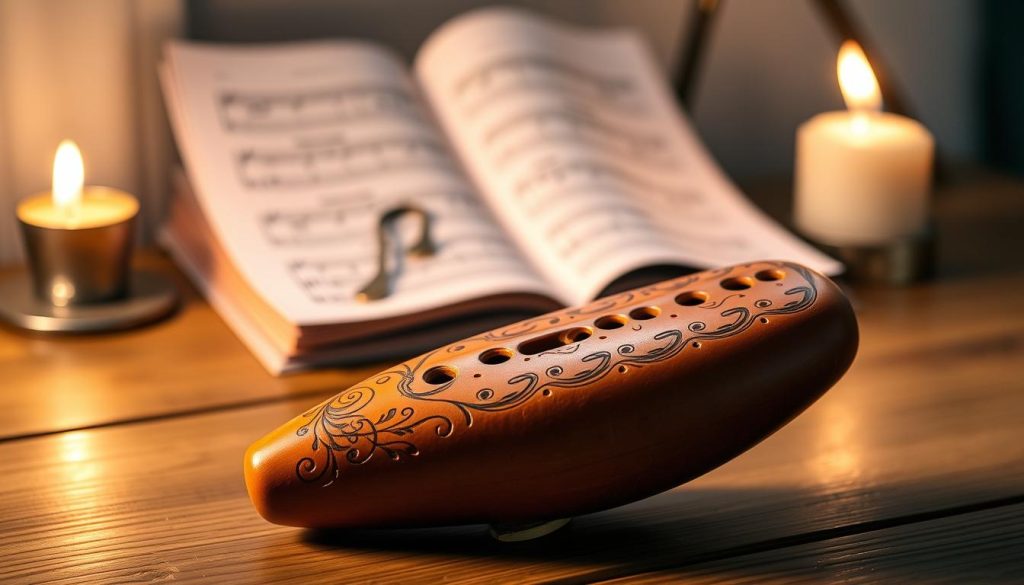
To help you choose the right model, read our dedicated guide: choosing a suitable model.
Choosing between ceramic and plastic
The choice of material directly affects tone color and durability.
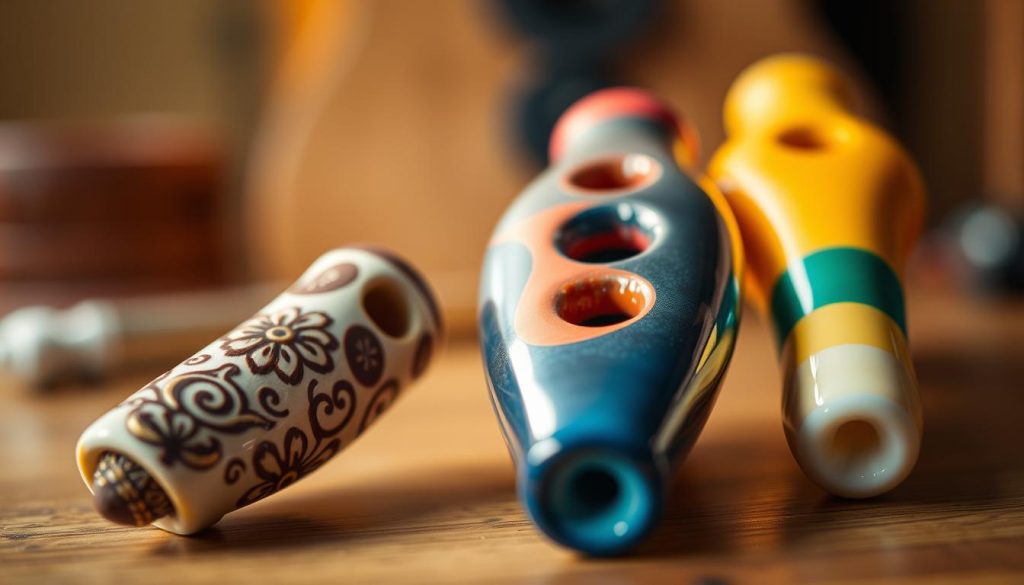
Ceramic provides a deep, traditional sound. It suits musicians who prioritize a warm tone and rich range. These models remain fragile and require a little more care.
Plastic is durable and lightweight. It lets you play without worrying about breakage. It is a practical option for travel and young musicians.
Bear in mind that condensation may form inside plastic instruments after they have been played for a while. Regular drying is generally enough to prevent problems.
Premium plastic versions now offer intonation close to that of ceramic models. Your choice will therefore depend on how and where you intend to use the instrument, as well as your budget: at home or while traveling.
| Material | Advantage | Ideal for |
|---|---|---|
| Ceramic | Rich sound, authenticity | Indoor playing, recording |
| Plastic | Durability, easy maintenance | Travel, active beginners |
| Premium plastic | Improved intonation, durability | Students, performances while traveling |
To explore the subject further and compare the technical options, read our comparison guide.
Mastering basic fingering
Mastering proper fingering paves the way for clear, consistent melodies. This chapter describes simple, repeatable movements. It helps turn exercises into musical phrases.
Hand position
Position your hands naturally. Avoid tensing them so your movements remain fluid.
Use the pads of your fingers to cover each hole. Good instrument design makes this contact easier.
Memorizing the holes
Number the holes mentally (1, 2, 3, 4) and repeat the combinations. Repetition helps you remember every note in the range.
Tip: draw a visual diagram and associate it with the exercises. This reduces the time needed for memorization.
Using your thumbs
Your thumbs stabilize the instrument and cover the holes on its underside. They are essential for playing low notes accurately.
Practical advice: practise slowly, check each time that the holes are sealed, and then increase your speed. For additional tablature and exercises, see tablature and exercises.
The importance of breath control
Managing the airflow is the cornerstone of clean, expressive playing.
Air pressure determines the accuracy of each note. Blowing too hard makes the sound harsh. Conversely, blowing too softly produces a flat, unstable note.
Use diaphragmatic breathing to maintain a steady airflow. This technique promotes stable sounds throughout the range.
Learn to regulate your breath without pressing so hard that you improperly cover the holes. This control protects intonation and makes it easier to move between registers.
Endurance is built through regular exercises. Breathing practice increases your ability to sustain long, expressive phrases.
- Breath control = accurate notes.
- Diaphragmatic breathing = steady airflow.
- Appropriate pressure = better control of the holes and transitions.
Breath control remains a transferable skill for every wind instrument. For practical exercises and a demonstration, see our guide on how to blow.

Reading music without music theory
Visual systems turn reading music into an immediate, concrete action.
Using tablature
Tablature visually indicates which holes to cover and when to blow. It is designed to simplify the action rather than explain the theory.
Numbers or symbols often represent each hole. A number can correspond to a specific hole, allowing you to play melodies on your first attempt.
This method saves time by letting you focus on the movement. Kinesthetic memory learns note sequences more quickly.
- The sequences show which hole to close and when to change.
- Rhythmic markers indicate the tempo to follow.
- Ideal for quickly playing your favorite songs.
For example, a line of tablature can break a phrase down into four simple actions. These tools make reading intuitive.
Tablature complements traditional sheet music and provides a practical transition toward more formal reading. It is a good starting point for every ocarina player.
Techniques for making rapid progress
A clear practice plan turns small daily efforts into visible progress. Start with short, regular sessions: 15 to 20 minutes a day is enough to improve accuracy.
Practise scales slowly and then increase the tempo. This improves finger agility and note accuracy.
Follow online lessons on channels such as David Erick Ramos or STLocarina. These tutorials offer advanced techniques and targeted exercises.
“Structured repetition is better than hours of disorganized practice.”
- Use hybrid tablature to play complex melodies.
- Include breathing exercises and use a metronome to work on tempo.
- Interactive applications help beginners correct their fingering in real time.
Read specialist articles and sheet music to vary your repertoire. With a consistent method, reading music and playing melodies becomes natural over time.
Maintenance tips for preserving sound quality
Regular maintenance extends the life of your instrument and ensures clear sounds.
Cleaning after use
After each session, wipe the inside with a microfiber cloth. This prevents moisture from accumulating, damaging the ceramic and affecting intonation.
Check the holes as well: a small amount of residue can alter a note or obstruct the airflow. Some models allow you to use a thin cleaning rod to reach difficult areas.
Safe storage
Always store the instrument in a hard case. Choose a stable location protected from impacts and sudden temperature changes.
The ideal range is between 15°C and 25°C. Proper storage preserves the quality and wavelength of the notes.
Maintenance by material
- Plastic models: clean monthly with a mild detergent to maintain good hygiene.
- Ceramic instruments: dry after every use and handle with care.
- Regularly check the holes and mouthpiece design to prevent blockages.
| Aspect | Recommendation | Frequency |
|---|---|---|
| Interior | Microfiber cloth, cleaning rod for narrow areas | After every use |
| Holes | Check and remove residue | Weekly |
| Storage | Hard case, temperature of 15°C to 25°C | At all times |
| Cleaning plastic | Mild soap, rinsing and drying | Monthly |
Practical tip: regular maintenance improves sound quality and reduces the time spent correcting intonation during rehearsals. For tuning advice, read how to tune an ocarina.
Conclusion
Choosing a wind instrument means balancing your personal tastes, practical constraints and musical goals. This guide aims to clarify the differences and help you make a confident choice.
The ocarina is appealing because it is easy to start playing and lets you perform melodies quickly. The flute offers a wider register but requires more technique.
Regular maintenance, particularly moisture management, protects sound quality whether the model is ceramic or plastic. Progress depends on patience and a suitable method.
Explore online lessons and additional articles to deepen your knowledge. Music is a journey: every note brings you closer to the pleasure of playing your instrument.